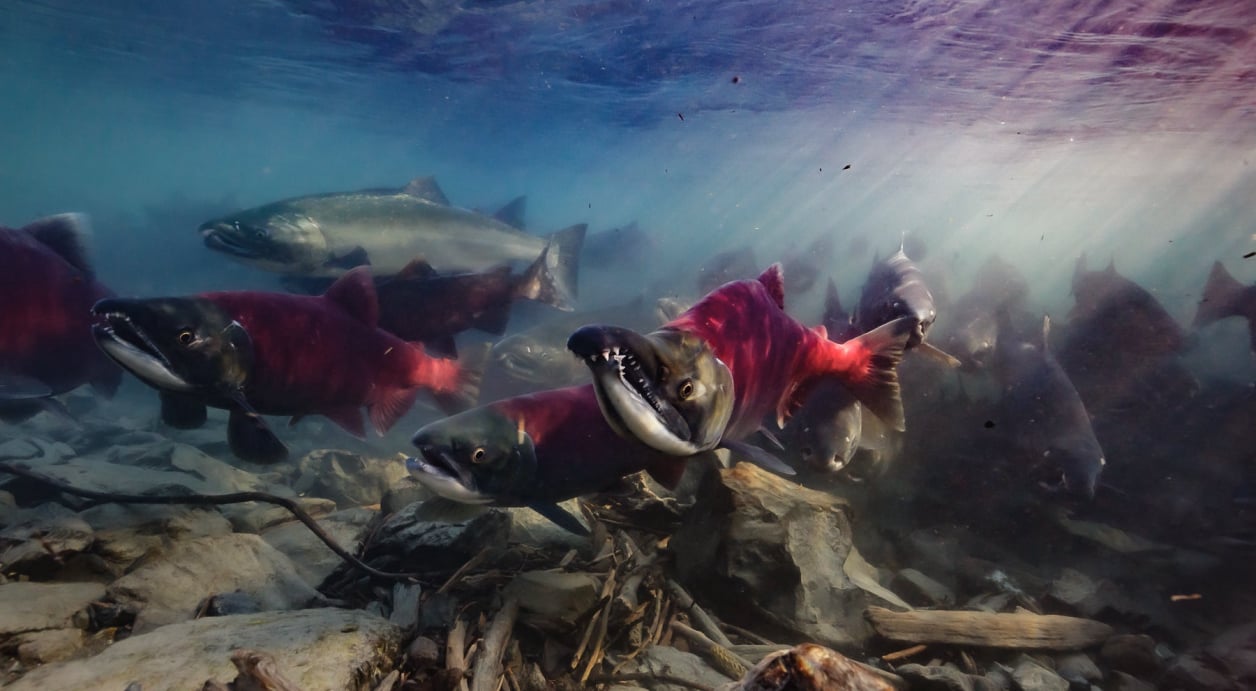
Pacific Salmon
.
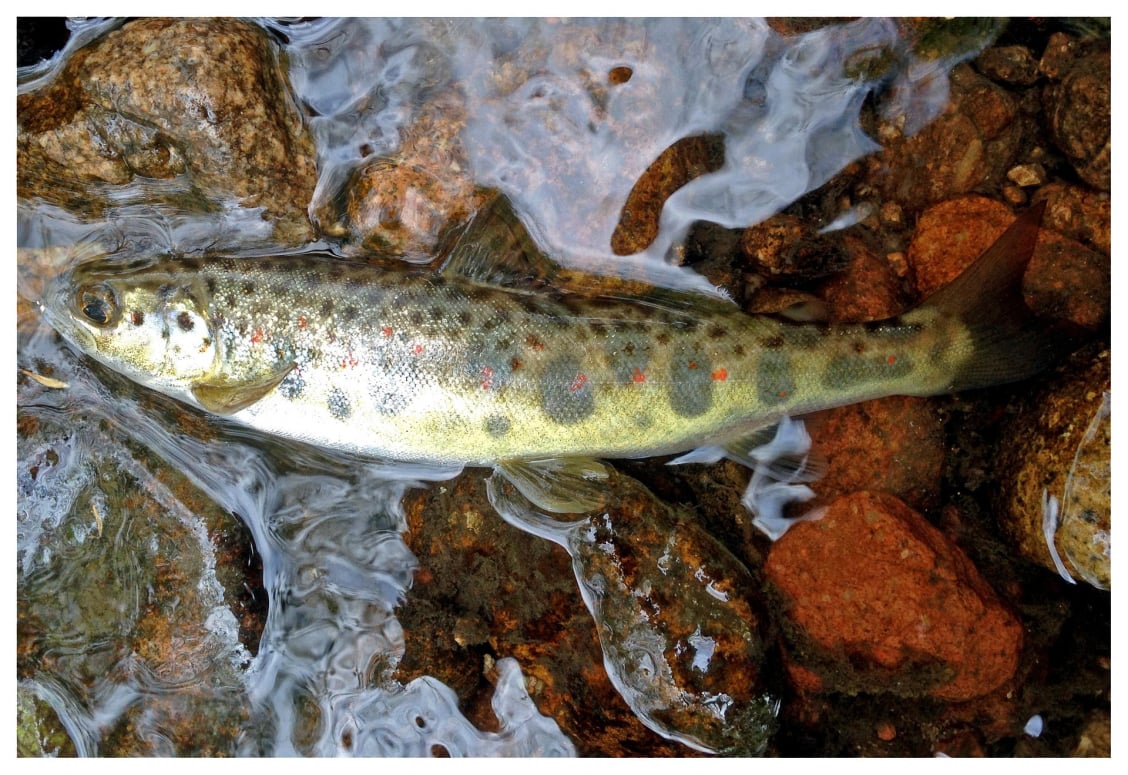
Understanding
To understand why Pacific salmon are shrinking and spawning earlier, we need to explore three important scientific concepts: evolution, natural selection, and selective pressure. These concepts help explain how living things change over time in response to their environment — especially when humans are part of that environment.
.
Evolution
Evolution is the process by which species of living organisms change over generations. These changes happen because of small differences called “Mutations” in DNA. For example, in Pacific Salmon, some salmon are born smaller or tend to migrate earlier. If those traits help them avoid fishing boats or survive warmer water, they may pass those traits to their offspring.
.

Natural Selection
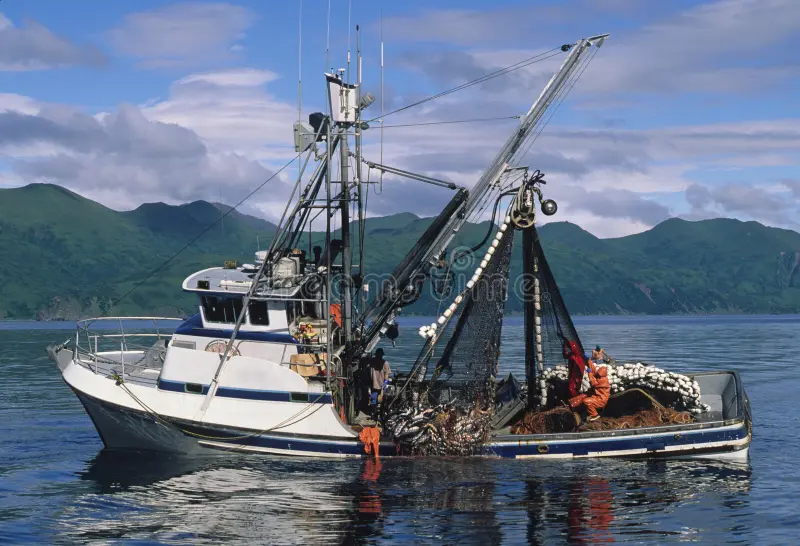
Natural selection is the mechanism that drives evolution. It means that individuals with traits that are better suited to their environment are more likely to survive and reproduce. For example, if fishing boats catch the biggest salmon, then smaller salmon are more likely to survive and reproduce. Over time, this leads to more small-bodied salmon in the population.